Licensed
To be accepted for the SPTI basic training in EMDR therapy program you must be licensed for independent practice as a mental health clinician or meet alternate EMDR International Association eligibility criteria.
Prelicensed
Graduate students, post-graduate pre-licensed clinicians, and non licensed clinicians must submit additional documentation with their application. See the “Non Licensed Applicant Instructions” on the Registration Forms page.
Alternate Eligibility
Clinicians who have completed or who are enrolled in a program in Art Therapy or Drug and Alcohol Counseling must contact EMDRIA about their program in order to determine their eligibility. If EMDRIA approves your education and licensure status, please submit approval documentation from EMDRIA with your application.
Clinicians working in the US Department of Veterans Affairs and other federal agencies
Andrew M. Leeds, Ph.D. (Sonoma Psychotherapy Training Institute) is registered and active in Central Contractor Registration (CCR). We are happy to cooperate with the administrative procedures required to obtain vendor approval and payment of tuition. Check with VA Employee Education Service (EES) for how to enroll.
Sonoma Psychotherapy Training Institute
EMDRIA and EMDR Europe approved training in EMDR therapy
EMDRIA and EMDR Europe approved training in EMDR therapy
Questions about EMDR training?

Basic Training
EMDR Training for Clinicians
Sonoma Psychotherapy Training Institute offers complete basic training in EMDR therapy, including
- All ten hours of required consultation
- Four, two-day training weekend sessions
- Spread over three months
- All-inclusive, affordable fee
Graduates are eligible to become EMDRIA members and to pursue EMDRIA Certification.
EMDR Training, EMDR Therapy, and Telehealth
Both EMDR training and EMDR therapy are now successfully being delivered remotely.
Zoom-based training
All our basic EMDR training programs since 2020 have been held via Zoom. We have EMDR International Association and EMDR Europe approval to offer our future EMDR training programs via Zoom.

Supportive learning - unlimited access to lecture videos online
All participants have the option to review video segments from the lecture portion of the training. These 43 video segments vary from 7 minutes to 45 minutes in duration. Using a private access link and a security code, registered participants can stream these pre-recorded videos on a smartphone, tablet or computer.
Pre-licensed and graduate students are eligible to enroll
We strongly support pre-licensed clinicians enrolling in our accredited training in EMDR therapy. In fact, we offer a significantly reduced rate to pre-licensed clinicians. All pre-licensed clinicians, both pre-grads and graduates can enroll in the SonomaPTI EMDR training program. On our registration page look for the links to and read our Pre-Licensed Applicant Instructions and to the Student Eligibility and Discount form.
Online Content Management System
We use an online platform, for training materials, discussion boards, Zoom links, and clinical practice resources. In line with EMDR International Association requirements, participants must pass learning assessments, with up to three attempts allowed. These tests serve as study guides with page references from required textbooks and the participant manual, supporting our EMDR training programs.

Diversity Statement
This is an equal opportunity training that offers you a supportive and inclusive space to learn. Everyone, no matter their age, gender, sexual orientation, or nationality can be successful in this course. People like you are joining from all over the world and we value this diversity. If you face economic barriers to enrolling, please contact us about a diversity scholarship.

EMDRIA and EMDR Europe Approved Basic Training in EMDR - Four Part Training Schedule - Meeting via Zoom
Times
Saturdays and Sundays
8:30 AM to 5:30 PM Pacific Time
(San Francisco)
Confirm time in your time zone
Next Training
Fall 2026 Dates:
September 12 and 13, 2026
October 10 and 11, 2026
November 7 and 8, 2026
December 5 and 6, 2026
Registration is Open
Register by August 12, 2026 to receive an early registration discount.
Last day to register is September 8, 2026.
Instructor
Andrew M. Leeds, Ph.D.
EMDRIA Approved Trainer and Consultant
Future Training
Spring 2027 Dates:
March 13 and 14, 2027
April 10 and 11, 2027
May 8 and 9, 2027
June 12 and 13, 2027
Spring 2026 Dates:
March 7 and 8, 2026
March 28 and 29, 2026
May 2 and 3, 2026
May 30 and 31, 2026
Meeting via Zoom

We will be meeting via Zoom for all training modules.
We will provide detailed guidance and preparation for all registered participants to assure a successful training experience.
Activity Overview
Four, two-day training modules are spread over a twelve-week period.
Modules are three to four weeks apart to provide time to practice new skills and study course readings.
There are focused periods of lecture, practice and consultation.
Morning and afternoon breaks are 15 minutes. Lunch breaks are 75 minutes.
Weekend 1
Day 1
Lecture 4.25 hours
Practice 3.0 hours
Day 2
Lecture 4.25 hours
Practice 3.0 hours
Weekend 2
Day 3
Consultation 1.5 hours
Lecture 3.0 hours
Practice 2.75 hours
Day 4
Consultation 1.5 hours
Lecture 3.0 hours
Practice 2.75 hours
Weekend 3
Day 5
Consultation 1.5 hours
Lecture 3.0 hours
Practice 2.75 hours
Day 6
Consultation 1.5 hours
Lecture 3.0 hours
Practice 2.75 hours
Weekend 4
Day 7
Consultation 1.5 hours
Lecture 3.0 hours
Practice 2.75 hours
Day 8
Consultation 1.5 hours
Lecture 2.0 hours
Practice 2.25 hours
Consultation 1.5 hours
8 Day Total
10.5 Hours Consultation
25.5 Hours Lecture
22 Hours Practice
Daily Schedule
Module 1: Day 1 and Day 2
Both days
Lecture 8:30 AM - 11:00 AM
Practice 11:00 AM - 12:30 PM
Lunch 12:30 PM - 1:45 PM
Lecture 1:45 PM - 3:45 PM
Practice 3:45 PM - 5:30 PM
Module 2: Day 3 and Day 4
Both days
Consultation 8:30 AM - 10:00 AM
Lecture 10:15 AM - 12:30 PM
Lunch 12:30 PM - 1:45 PM
Lecture 1:45 PM - 2:30 PM
Practice 2:30 PM - 5:30 PM
Module 3: Day 5 and Day 6
Both days
Consultation 8:30 AM - 10:00 AM
Lecture 10:15 AM - 12:30 PM
Lunch 12:30 PM - 1:45 PM
Lecture 1:45 PM - 2:30 PM
Practice 2:30 PM - 5:30 PM
Module 4: Day 7 and Day 8
(different schedule each day)
Day 7
Consultation 8:30 AM - 10:00 AM
Lecture 10:15 AM - 12:30 PM
Lunch 12:30 PM - 1:45 PM
Lecture 1:45 PM - 2:30 PM
Practice 2:30 PM - 5:30 PM
Day 8
Consultation 8:30 AM - 10:00 AM
Lecture 10:15 - 12:15 PM
Lunch 12:15 - 1:30 PM
Practice 1:30 PM - 3:45 PM
Consultation 4:00 PM - 5:30 PM
program ends
Listed times are Pacific Time Zone
Check your time zone against San Francisco at
World Clock Meeting Planner
- Continuing Education Credits
BBS: The California Board of Behavioral Sciences (BBS) now recognizes CPA continuing education credit for license renewal for LCSWs, LPCs, and MFTs. For California, the course meets the qualifications for 47.5 hours of continuing education credit for LPCs, MFT's and LCSW's as required by the California Board of Behavioral Sciences. Andrew M. Leeds, Ph.D. and Sonoma Psychotherapy Training Institute maintain responsibility for this program and its content. CPA Provider # SON012.
NBCC: 47.5 clock hours. Andrew M. Leeds has been approved by NBCC as an Approved Continuing Education Provider, ACEP No. 6093. Programs that do not qualify for NBCC credit are clearly identified. Andrew M. Leeds is solely responsible for all aspects of the programs.

CPA Accredited: Sonoma Psychotherapy Training Institute is approved by the California Psychological Association (CPA) to provide continuing professional education for psychologists. The California Board of Behavioral Sciences (BBS) recognizes CPA continuing education credit for license renewal for LCSWs and MFTs. Sonoma Psychotherapy Training Institute maintains responsibility for this program and its contents. 47.5 hours of continuing education credit for California licensed psychologists.
Curriculum Overview
Training Fees
Fall 2026 basic training in EMDR therapy
Save with early registration submitted in full and accepted by August 12, 2026.
- Guarantee your place
- Register early to secure the best rate.
- Enrollment is limited.
- Choose your preferred payment method.
| Payment Type | Early Registration | Early Registration Student/Agency Rate |
Standard Registration | Standard Registration Student/Agency Rate |
|---|---|---|---|---|
| Credit Card Installment Plan |
3 Installments of $556 Total $1,668 |
3 Installments of $485 Total $1,455 |
3 Installments of $588 Total $1,764 |
3 Installments of $516 Total $1,548 |
| Tuition in Advance by Check |
Deposit $805 Total $1,610 |
Deposit $705 Total $1,410 |
$1,695 Payment in full | $1,495 Payment in full |
Training Requirements
Please review the following five program requirements for the SonomaPTI basic training in EMDR therapy.
These requirements are also described in the participant’s agreement on the registration forms page.
- Study
You must plan to read in their entirety and thoroughly study portions of both
Shapiro, F. (2018). Eye Movement Desensitization and Reprocessing, Basic Principles, Protocols and Procedures (3rd ed.). New York: The Guilford Press and
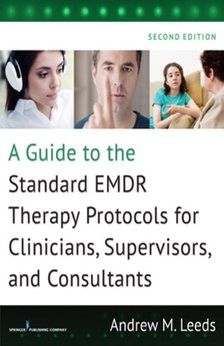
Leeds, A. M. (2016). A Guide to the Standard EMDR Therapy Protocols for Clinicians, Supervisors, and Consultants, 2nd edition. New York: Springer Publishing Company.
The pre-training reading list is available on the Registration Forms page.
Special needs
The training facility is in compliance with the Americans with Disabilities Act. If you are disabled or have special needs you must inform SPTI at the time you submit your application so that we can review and discuss any needs for accommodations.
Compare Training Programs
How to Register
Go to the Registration Forms page, read the instructions, then download the application for registration and any other forms you need.
Do you have questions or concerns or need assistance?
Call or email us, we are happy to help.
Acceptance into the training
Please allow three business days for the review of your application for registration. You will be promptly notified of your acceptance into the training program. Your letter of acceptance will include a list of suggested reading and other study materials to help you prepare for the training.